


As we step into 2026, the digital gaming world has witnessed seismic shifts, fundamentally altering how millions engage in playtime. With keywords like 'go playtime' driving traffic to countless English game websites, an inquisitive eye turns towards understanding the evolving dynamics of online gaming spheres in this era of technological sophistication.
The ascent of online gaming can be largely attributed to rapid technological advancements. The integration of augmented reality (AR) and virtual reality (VR) has redefined user experiences, blurring the line between the virtual world and reality. These developments enable players, old and young alike, to immerse themselves in uniquely tailored environments, offering an escapade far beyond traditional gaming consoles. These shoulders of innovation have brought along their fair share of societal implications, warranting deeper scrutiny.
One of the most significant impacts is observed in youth engagement. Young players find themselves drawn into richly crafted narratives and visually appealing worlds, serving as platforms for creative expression and social interaction. Indeed, these digital landscapes foster virtual communities where players can connect, share, and collaborate across global borders. The exchange of cultural nuances and collaborative game-play is proving to be an unexpected bridge in fostering global understanding and combating xenophobia from an early age.
However, with these developments come concerns regarding data privacy and the potential for addiction. As more players, especially from younger demographics, invest time in these online worlds, the risk of overexposure and the blurring of gameplay and real life intensifies. These very interactive elements that make online gaming appealing also present challenges in creating healthy boundaries. Policymakers and game developers alike are tasked with a dual mission: to harness the positives of digital play while safeguarding the mental health and well-being of young gamers.
The industry continues to grow, with gaming websites sparking economic opportunities through employment and entrepreneurship. As 'go playtime' emerges as a contemporary rallying cry for leisure in our modern age, it is clear that the future of online gaming is not only about technology but also about understanding the profound social transformations it propels.
As we navigate these exciting waters, it becomes increasingly pertinent to ensure that our enthusiasm for technological advancement does not overshadow our responsibility to guide its course for the betterment of society.
In conclusion, the world of online gaming presents a vivid portrait of change and potential. As we delve deeper into 2026, the challenge remains to balance innovation with mindful regulation, ensuring that the digital playground is both a safe haven for creative exploration and a cornerstone for youthful development.

Exploring the current landscape of digital gaming and the role of platforms dedicated to playtime in 2025.

Explore how Go Playtime is transforming the digital landscape amid emerging technological innovations in 2025.
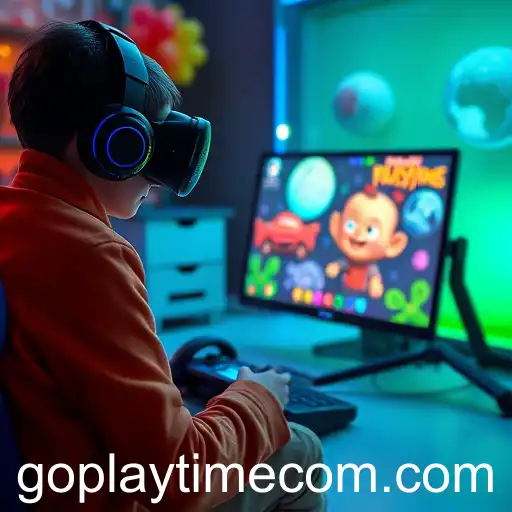
Exploring the impact of online gaming platforms and their evolving role in the digital entertainment landscape.

Exploring the emergence of 'Go Playtime' as a significant trend in the online gaming landscape and its implications for the future.

Exploring the transformation of online gaming platforms and their impact on global communities in 2026.

Exploring the transformative shifts in the gaming industry with current trends and innovations.
